Examining the Environmental Consequences of Pallet Redistribution: A Green Decision
Pallet liquidation represents an expanding movement toward sustainability, highlighting the significance of reuse and recycling. This method not only minimizes landfill waste but also supports local economic development. Understanding its environmental implications exposes a multifaceted dynamic between resource management and consumer habits. As companies and neighborhoods accept this framework, questions arise about its long-term viability and impact. What does this mean for the future of sustainable practices?
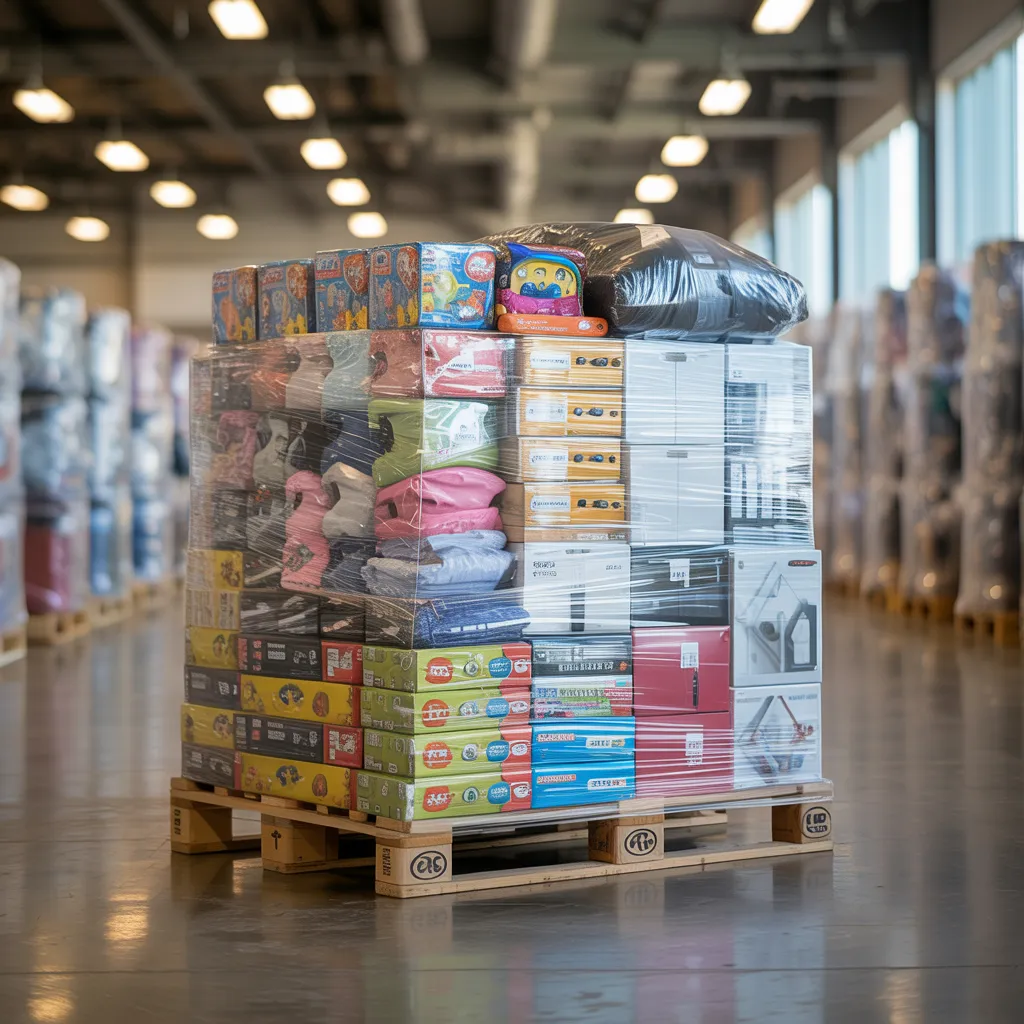
Pallet Liquidation Explained: What It Is and How It Works
Pallet liquidation is defined as the practice of selling excess or surplus inventory, often in bulk, commonly through pallets. This method is widely used by wholesalers, manufacturers, and retailers who need to clear out unsold or discontinued inventory. Items are typically loaded onto pallets, which streamlines the handling and transportation process.
During the liquidation process, organizations may distribute these pallets to liquidators or directly to buyers at lowered prices. Liquidators typically organize, review, and at times recondition the items before selling them to diverse markets, such as discount retailers or digital marketplaces. Buyers can acquire a range of products, from electronics to clothing, facilitating savings for consumers and businesses alike. This efficient approach not only assists in stock management but also creates opportunities for discounted purchasing, making it a beneficial option for both vendors and customers.
Environmental Advantages of Pallet Liquidation
While a great deal of attention is given to the economic advantages of the pallet liquidation process, its environmental benefits are just as important. Liquidating pallets promotes sustainable practices by promoting the reuse and recycling of materials. This process reduces the demand for new resources, thereby conserving forests and decreasing energy consumption linked to the production of new pallets.
Moreover, it reduces landfill waste, as many pallets that would otherwise be thrown away are refurbished or repurposed. This approach not only extends the lifecycle of the pallets but also lowers the environmental footprint linked to waste management.
Moreover, pallet liquidation helps in reducing carbon emissions. By cutting down on the need for manufacturing new pallets and transporting them, the overall greenhouse gas output is diminished. At its core, pallet liquidation functions as a viable solution for businesses aiming to align their operations with eco-friendly practices, making it an integral component of a environmentally sound supply chain.
Minimizing Waste Through Pallet Liquidation
Pallet liquidation plays a critical part in minimizing waste by redirecting surplus inventory away from landfills. This practice not only gives unused products new life but also benefits local businesses that can take advantage of the access to discounted merchandise. By promoting a circular economy, pallet liquidation supports more environmentally responsible consumption habits.
Minimizing Landfill Waste
A large share of waste in landfills can be attributed to discarded consumer goods, making practical waste management solutions critical. The pallet liquidation process serves as a preventative strategy to mitigating this issue. By redirecting surplus goods and remaining inventory, businesses can prolong the lifecycle of these goods, greatly reducing the amount that ultimately reaches landfills. This approach not only eases the pressure on waste disposal networks but also promotes a circular economy. Companies engaging in pallet liquidation support long-term sustainability goals by securing alternative markets for their remaining inventory, thereby minimizing waste and conserving resources. At its core, this strategy encourages an eco-conscious method of managing inventory while fulfilling the essential requirement for successful waste reduction.
Reusing Idle Inventory
Effective waste diversion strategies not only focus on reducing landfill contributions but also on creatively repurposing unused inventory. Pallet liquidation presents a distinctive chance to breathe new life into excess goods that might otherwise be discarded. Businesses can transform unsold items into valuable resources, such as donating products to charities or repackaging them for resale. This approach not only minimizes environmental impact but also fosters innovation in product use. To illustrate, leftover clothing might be repurposed into reusable textile items, while excess electronic devices can be reconditioned. By utilizing pallet liquidation, businesses can effectively handle surplus inventory, minimize waste, and advance sustainability, ultimately supporting a circular economy that prioritizes resourcefulness and environmental stewardship.
Championing Local Businesses
The liquidation of excess inventory plays a critical part in helping local businesses thrive while simultaneously reducing waste. By enabling the redistribution of surplus products, pallet liquidation gives smaller companies the opportunity to obtain budget-friendly products that might otherwise remain unsold. This method not only helps these businesses thrive but also nurtures a community spirit, as community-based retailers can supply one-of-a-kind goods at reasonable prices. Moreover, buying through liquidation channels reduces the environmental footprint linked to producing new products, consequently cutting down on resource depletion and waste disposal. The system supports a circular economic model, where items are recirculated and repurposed, supporting environmental sustainability. At its core, surplus liquidation acts as a key driver for economic growth and environmental stewardship throughout regional markets.
Savings and Revenue Prospects Through Pallet Liquidation
Pallet liquidation provides considerable financial advantages for businesses by boosting profit margins and reducing inventory expenses. Businesses can convert excess inventory into capital, consequently strengthening cash flow. This approach not only enhances profitability but also streamlines operations by reducing the burden of excess stock.
Boosting Profit Margins
Accessing opportunities in pallet liquidation can greatly enhance profit margins for businesses. By obtaining excess inventory at lower prices, firms can benefit from considerable cost efficiencies. This approach not only reduces operational costs but also enables competitive resale pricing, drawing in a wider range of customers. Furthermore, companies can expand their product range by acquiring various types of pallets, allowing them to reach multiple market segments. The ability to quickly turn over inventory through liquidation channels enables firms to maintain cash flow, reducing financial strain. Beyond that, working with liquidation partners can enhance operational efficiency, offering access to critical resources and specialized expertise. In summary, successfully capitalizing on pallet liquidation can drive greater revenue growth and stronger profit margins.
Minimizing Inventory Expenditures
Businesses can markedly reduce inventory costs through strategic engagement with liquidation processes. By offloading excess or obsolete stock in bulk, businesses can rapidly transform idle inventory into capital, reducing storage costs tied to unsold merchandise. Liquidation not only streamlines inventory management but also mitigates the risks of markdowns and obsolescence. Moreover, working with liquidation partners can grant access to expanded markets, allowing companies to connect with buyers who value reduced-price merchandise. This strategy creates pathways for supplementary income, boosting financial adaptability. In the end, successful pallet liquidation offers a twofold benefit: it reduces inventory costs while promoting sustainability through the responsible redistribution of goods, serving the interests of both the company and the environment.
The Role of Recycling in Pallet Liquidation
Recycling holds a critical place in the pallet liquidation process, turning abandoned wooden pallets into worthwhile assets. This approach not only reduces waste but also supports a resource-efficient economy, where resources are repurposed rather than thrown away. Reclaimed pallets can be restored for ongoing use in transportation and warehousing, significantly dive in prolonging their useful life.
Additionally, the repurposing process can include breaking down pallets into raw materials, which can then be repurposed for manufacturing new products, such as furniture, mulch, or biofuel. This minimizes the need for new timber, preserving forests and reducing the carbon footprint associated with timber harvesting and processing.
Businesses engaging in pallet liquidation often find that recycling enhances their sustainability profile, resonating with environmentally aware customers. Overall, recycling serves as a critical component in the pallet liquidation process, fostering resource conservation and environmental stewardship while providing economic benefits.
How to Apply Sustainable Pallet Liquidation Methods?
Executing green pallet liquidation methods calls for a strategic approach that focuses on environmental responsibility. Firms must first evaluate their existing pallet inventory and identify opportunities for reuse, repair, or recycling. Creating partnerships with community recycling centers or networks can support the proper disposal of compromised pallets, reducing environmental landfill impact.
Next, businesses should create a standardized system for tracking pallet condition and usage, enabling forward-thinking management and minimizing waste. Educating staff on eco-friendly practices and the value of pallet maintenance can significantly boost longevity.
Moreover, integrating a closed-loop approach can guarantee that pallets are retrieved and reintegrated within the supply chain, supporting eco-friendly economic principles. Lastly, companies should share their sustainability targets to investors, encouraging a culture of ecological consciousness. By following these measures, organizations can significantly reduce the environmental consequences associated with pallet management while building a more green operational strategy.
Emerging Trends in Sustainable Pallet Management
An increasing focus on sustainability is transforming the future of pallet management, with new methods arising to respond to ecological considerations. As companies strive to reduce their environmental impact, the use of environmentally friendly pallet materials is increasing. Eco-conscious and recyclable resources are becoming increasingly widespread, reducing waste and promoting a circular economy.
In addition, advancements in technology are enabling more effective tracking and management of pallets, enabling companies to optimize their usage and lengthen the lifecycle of each pallet. Digital platforms are increasingly being used to streamline the pallet rental and liquidation processes, boosting accountability and clarity.
Moreover, joint efforts among involved parties—manufacturers, logistics providers, and retailers—is encouraging mutual commitment to pallet environmental goals. This unified strategy not only boosts resource effectiveness but also inspires creative solutions. All things considered, the outlook for pallet operations is expected to embrace greater sustainability, fueled by technological advances, cooperative efforts, and dedication to ecological responsibility.
Common Questions and Answers
What Kinds of Products Can Be Found in Pallet Liquidation?
Pallet liquidation generally encompasses a wide variety of products such as electronics, home goods, clothing, and furniture. Retailers frequently offload surplus stock, seasonal merchandise, or returned goods, resulting in mixed pallets. Such pallets can include factory-fresh goods, restored items, or lightly damaged merchandise. The variety allows purchasers to find significant deals, attracting both wholesalers and individuals seeking budget-friendly choices. The unpredictability of contents adds an element of excitement to the liquidation process.
How Do Pallet Liquidation Practices Affect Local Economies?
Pallet liquidation significantly benefits regional economies by offering consumers access to affordable products and creating business opportunities for resellers. It enables small businesses to flourish by buying excess inventory at discounted rates, which can then be sold at a profit. Additionally, the process fosters job creation in distribution and retail fields, as a growing number of individuals participate in purchasing, organizing, and reselling liquidation merchandise, consequently boosting financial activity throughout the region.
Are There Regulations Governing Pallet Liquidation Practices?
Yes, guidelines overseeing pallet liquidation operations are in place, changing by region. These regulations commonly emphasize safety standards, waste handling, and environmental safety. Local governments may enforce guidelines to guarantee that pallet disposal and recycling procedures do not harm the natural surroundings. Moreover, businesses involved in pallet liquidation must adhere to industry standards to foster sustainable practices and ethical practices, consequently influencing how they operate within the industry and their impact on regional markets.
Can Pallet Liquidation Apply to Non-Retail Products?
Pallet liquidation can indeed be used for non-retail items. Various industries, including manufacturing and logistics, often liquidate excess inventory, equipment, or materials. This approach enables businesses to recoup costs by selling these items in large quantities, typically at reduced prices. Items outside of retail, such as machinery, office supplies, or industrial components, can be repurposed through liquidation, encouraging resource efficiency and minimizing waste. As a result, pallet liquidation functions as a practical solution beyond conventional retail settings.
What Are the Potential Hazards of Pallet Liquidation?
The challenges connected with pallet liquidation involve possible monetary setbacks from items that remain unsold, quality discrepancies in products, and the chance of receiving damaged merchandise. Moreover, customers could encounter difficulties when determining the real value of the pallets, causing unanticipated financial burdens. There is also a risk of legal issues if products are misrepresented or contain hazardous materials. In summary, thorough research and proper due diligence are critical to managing these risks successfully.